Casino Concierge Services


Casino concierge services help guests navigate the facilities of a property and the surrounding destination. Typical requests concern restaurant reservations, local directions, transport arrangements, event information, and other practical details associated with a visit.

A concierge desk relies on current information and communication with several departments. Availability can change quickly, so staff often need to confirm a booking or schedule rather than relying solely on printed material or general recommendations.

Public entertainment properties bring together people with different expectations and levels of familiarity with the building. Some visitors follow a planned schedule, while others explore the available facilities. Clear information and recognizable service points help both groups make practical decisions without needing to understand the internal organization of the property.

Periodic review allows a property to compare its intended arrangements with actual daily use. Useful questions concern access, comfort, waiting, maintenance, and the clarity of information. These observations do not require every space to look the same; they help each area perform its particular role within the larger venue.

There is no single arrangement that suits every destination. The age of the building, available floor area, surrounding transport, and mix of facilities all influence the choices available. A city property and a spacious resort may address similar needs through different layouts, even when they offer broadly comparable services to their visitors.

The service is most effective when it gives visitors accurate options and clear explanations about the arrangements being made. The details may differ between properties, but examining how people use the space provides a consistent way to understand its purpose and identify the everyday connections that support the complete visitor experience.

Casino Floor Layouts


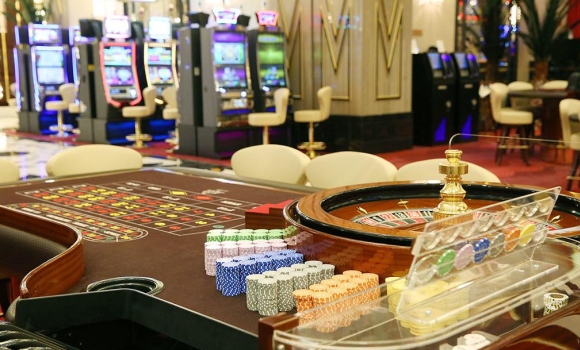
Casino floor layouts organize gaming equipment and the routes between it. The arrangement must also accommodate staff movement, maintenance access, seating, and connections to other public facilities within the building or wider entertainment complex.

Different activities need different amounts of space. A table with standing spectators has a different circulation pattern from a row of seated machine users. Changes to one section can therefore affect movement in several nearby areas.

Changes within one department can affect several others. Moving an entrance, altering an event schedule, or temporarily closing a service point may change visitor routes and staff workloads elsewhere. Communicating these changes in advance makes it easier for different teams to provide consistent information and adjust their own preparations.

Operational records support continuity between shifts and departments. A clear description of a task or an unresolved issue allows the next person to continue the work without reconstructing the entire situation. The value of such records depends on relevant details, consistent terminology, and a clear indication of who is responsible for follow-up.

The most informative assessment considers the entire journey through the property. A comfortable room can still be difficult to use if it is poorly signposted, and a clear entrance can lead to confusing internal routes. Looking at these connections gives a fuller picture than judging individual features entirely in isolation.

A floor plan is a practical system whose performance depends on how the whole space is used over time. Considering the visitor journey together with the work performed behind the scenes gives a more complete understanding of the subject than an assessment based entirely on appearance or on a single moment of use.

Casino Maintenance


Casino maintenance keeps building systems, fixtures, and equipment in working condition. The scope can include lighting, doors, ventilation, furniture, plumbing, and the many small components that support the daily operation of an entertainment property.

Some tasks follow a planned inspection schedule, while others begin with a report from staff or visitors. Clear records help teams distinguish recurring problems from isolated faults and prepare the tools or replacement parts needed for a repair.

Changes within one department can affect several others. Moving an entrance, altering an event schedule, or temporarily closing a service point may change visitor routes and staff workloads elsewhere. Communicating these changes in advance makes it easier for different teams to provide consistent information and adjust their own preparations.

Periodic review allows a property to compare its intended arrangements with actual daily use. Useful questions concern access, comfort, waiting, maintenance, and the clarity of information. These observations do not require every space to look the same; they help each area perform its particular role within the larger venue.

There is no single arrangement that suits every destination. The age of the building, available floor area, surrounding transport, and mix of facilities all influence the choices available. A city property and a spacious resort may address similar needs through different layouts, even when they offer broadly comparable services to their visitors.

Reliable maintenance combines routine attention with a practical response to problems that arise during normal use of the building. Considering the visitor journey together with the work performed behind the scenes gives a more complete understanding of the subject than an assessment based entirely on appearance or on a single moment of use.

Casino Interior Design


Casino interior design shapes the appearance and atmosphere of indoor entertainment spaces. Furniture, decorative surfaces, floor coverings, and lighting work together to establish a visual identity that visitors can recognize across different areas of a property.

Design teams may use contrasting materials to separate a dining room from a lounge without creating a physical barrier. Durable finishes are particularly useful in areas where chairs, carts, and large numbers of visitors move throughout the day.

The experience of a space can change with the time of day and the number of people present. An arrangement that feels spacious during a quiet afternoon may need more active management before an evening event. Observing ordinary patterns of use provides useful information about where additional signs, assistance, or room may be needed.

Operational records support continuity between shifts and departments. A clear description of a task or an unresolved issue allows the next person to continue the work without reconstructing the entire situation. The value of such records depends on relevant details, consistent terminology, and a clear indication of who is responsible for follow-up.

Consistency does not mean that every area must have an identical character. A property can contain quiet rooms, active public spaces, and formal service settings while using the same underlying approach to directions and communication. This combination allows variety without requiring visitors to learn a completely new system at every doorway.

The interior therefore functions as both a decorative setting and a working environment that must remain understandable and comfortable. Looking at the subject in this broader context helps explain why apparently small decisions can matter to several departments and why practical arrangements deserve attention alongside the more visible features of a venue.

Casino Resorts


Casino resorts bring several leisure facilities together within a single destination. Alongside gaming spaces, a resort may provide accommodation, restaurants, pools, gardens, shops, or entertainment venues designed to support visits lasting more than a few hours.

A large resort often contains several distinct environments connected by walkways and shared services. Quiet areas can offer a different experience from crowded event spaces, allowing adult visitors to choose how they spend their time on the property.

The relationship between appearance and function is especially important in a frequently used venue. Decorative choices contribute to character, but the same materials and objects must also withstand cleaning, movement, and repeated handling. A design can remain attractive for longer when maintenance requirements are considered before the space begins operating.

Information should be presented in a form that suits its audience. Visitors usually need a concise explanation of where to go or what is available, while staff may require more detailed instructions. Keeping these purposes distinct helps avoid crowded signs and makes internal procedures easier to maintain when arrangements change.

The wider setting also matters. A property beside a busy street faces different arrival patterns from one reached mainly by private transport. Nearby hotels, event spaces, and public routes can influence the flow of visitors, making the relationship between the venue and its surroundings part of everyday operational planning.

The resort model depends on coordination between its many departments rather than on the appearance of any single attraction. Over time, changes in visitor patterns and service arrangements may call for adjustments, making regular observation a useful complement to the original design and to the procedures established when a facility first opens.

Casino Furniture


Casino furniture includes seating, tables, counters, and other items used across gaming and hospitality areas. Its selection involves appearance, comfort, dimensions, cleaning requirements, and the amount of wear expected in a frequently used public setting.

A chair suitable for a dining room may not suit a crowded lounge or a reception area. Designers consider the intended length of use, the surrounding circulation space, and how easily individual pieces can be moved or repaired.

Public entertainment properties bring together people with different expectations and levels of familiarity with the building. Some visitors follow a planned schedule, while others explore the available facilities. Clear information and recognizable service points help both groups make practical decisions without needing to understand the internal organization of the property.

Routine observation is an important part of managing this environment. Staff can note recurring questions, worn surfaces, difficult routes, or delays that are not obvious from a drawing. These observations provide a practical starting point for small improvements and help distinguish a temporary inconvenience from an issue that appears repeatedly.

There is no single arrangement that suits every destination. The age of the building, available floor area, surrounding transport, and mix of facilities all influence the choices available. A city property and a spacious resort may address similar needs through different layouts, even when they offer broadly comparable services to their visitors.

Furniture contributes most effectively when its visual character is matched by reliable performance during ordinary daily use. The details may differ between properties, but examining how people use the space provides a consistent way to understand its purpose and identify the everyday connections that support the complete visitor experience.

Casino Maintenance


Casino maintenance keeps building systems, fixtures, and equipment in working condition. The scope can include lighting, doors, ventilation, furniture, plumbing, and the many small components that support the daily operation of an entertainment property.

Some tasks follow a planned inspection schedule, while others begin with a report from staff or visitors. Clear records help teams distinguish recurring problems from isolated faults and prepare the tools or replacement parts needed for a repair.

Changes within one department can affect several others. Moving an entrance, altering an event schedule, or temporarily closing a service point may change visitor routes and staff workloads elsewhere. Communicating these changes in advance makes it easier for different teams to provide consistent information and adjust their own preparations.

Periodic review allows a property to compare its intended arrangements with actual daily use. Useful questions concern access, comfort, waiting, maintenance, and the clarity of information. These observations do not require every space to look the same; they help each area perform its particular role within the larger venue.

There is no single arrangement that suits every destination. The age of the building, available floor area, surrounding transport, and mix of facilities all influence the choices available. A city property and a spacious resort may address similar needs through different layouts, even when they offer broadly comparable services to their visitors.

Reliable maintenance combines routine attention with a practical response to problems that arise during normal use of the building. Considering the visitor journey together with the work performed behind the scenes gives a more complete understanding of the subject than an assessment based entirely on appearance or on a single moment of use.

Casino Buffets


Casino buffets organize a meal around several self-service food stations. Visitors move between counters offering different dishes, while kitchen and dining staff maintain supplies, clear tables, and keep the serving area orderly during changing levels of demand.

The arrangement of stations influences how people queue and find their way through the room. Clear food labels, accessible utensils, and space between counters can make the experience easier to understand without requiring repeated questions to staff.

Within a larger property, this subject connects to services that visitors may not immediately notice. Staff schedules, delivery routes, storage areas, and cleaning routines all influence how a public space operates. Coordination between these activities helps the visible part of the venue remain consistent during both quiet hours and periods of heavier use.

Operational records support continuity between shifts and departments. A clear description of a task or an unresolved issue allows the next person to continue the work without reconstructing the entire situation. The value of such records depends on relevant details, consistent terminology, and a clear indication of who is responsible for follow-up.

There is no single arrangement that suits every destination. The age of the building, available floor area, surrounding transport, and mix of facilities all influence the choices available. A city property and a spacious resort may address similar needs through different layouts, even when they offer broadly comparable services to their visitors.

A buffet is therefore a small circulation system as well as a restaurant, with presentation and replenishment closely connected. Its role becomes clearer when viewed alongside the rest of the building, including the routes, services, and staff activities that connect the individual area with the wider experience of visiting an entertainment property.

Casino Interior Design


Casino interior design shapes the appearance and atmosphere of indoor entertainment spaces. Furniture, decorative surfaces, floor coverings, and lighting work together to establish a visual identity that visitors can recognize across different areas of a property.

Design teams may use contrasting materials to separate a dining room from a lounge without creating a physical barrier. Durable finishes are particularly useful in areas where chairs, carts, and large numbers of visitors move throughout the day.

The experience of a space can change with the time of day and the number of people present. An arrangement that feels spacious during a quiet afternoon may need more active management before an evening event. Observing ordinary patterns of use provides useful information about where additional signs, assistance, or room may be needed.

Operational records support continuity between shifts and departments. A clear description of a task or an unresolved issue allows the next person to continue the work without reconstructing the entire situation. The value of such records depends on relevant details, consistent terminology, and a clear indication of who is responsible for follow-up.

Consistency does not mean that every area must have an identical character. A property can contain quiet rooms, active public spaces, and formal service settings while using the same underlying approach to directions and communication. This combination allows variety without requiring visitors to learn a completely new system at every doorway.

The interior therefore functions as both a decorative setting and a working environment that must remain understandable and comfortable. Looking at the subject in this broader context helps explain why apparently small decisions can matter to several departments and why practical arrangements deserve attention alongside the more visible features of a venue.

Blackjack Tables


Blackjack tables provide a shaped playing surface with designated positions for participants and a dealer. Their layout distinguishes the activity from other games while organizing cards, chips, and the space needed for routine staff movement.

Printed markings help identify parts of the surface, while the edge and seating arrangement influence how comfortably people can use it. Staff prepare the equipment and check the surrounding area before the table begins operating.

Changes within one department can affect several others. Moving an entrance, altering an event schedule, or temporarily closing a service point may change visitor routes and staff workloads elsewhere. Communicating these changes in advance makes it easier for different teams to provide consistent information and adjust their own preparations.

Routine observation is an important part of managing this environment. Staff can note recurring questions, worn surfaces, difficult routes, or delays that are not obvious from a drawing. These observations provide a practical starting point for small improvements and help distinguish a temporary inconvenience from an issue that appears repeatedly.

The wider setting also matters. A property beside a busy street faces different arrival patterns from one reached mainly by private transport. Nearby hotels, event spaces, and public routes can influence the flow of visitors, making the relationship between the venue and its surroundings part of everyday operational planning.

The physical arrangement supports an orderly activity, but its effectiveness also depends on consistent communication and well-maintained equipment. Considering the visitor journey together with the work performed behind the scenes gives a more complete understanding of the subject than an assessment based entirely on appearance or on a single moment of use.

2

2