Roulette Tables


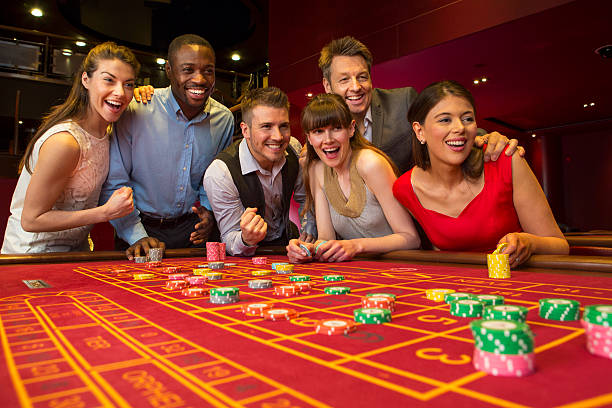
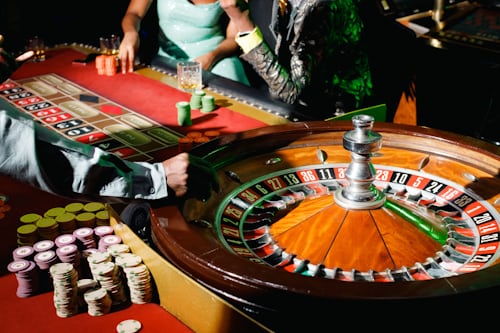
Roulette tables combine a wheel with a marked surface used during the game. The equipment creates a distinctive arrangement within a gaming room, with designated areas for the wheel, participants, and the staff member managing the activity.

The height and position of the table affect visibility and movement around it. Like other specialized furnishings, it also needs suitable lighting, cleaning, and inspection so that its physical condition remains appropriate for regular use.

The relationship between appearance and function is especially important in a frequently used venue. Decorative choices contribute to character, but the same materials and objects must also withstand cleaning, movement, and repeated handling. A design can remain attractive for longer when maintenance requirements are considered before the space begins operating.

Periodic review allows a property to compare its intended arrangements with actual daily use. Useful questions concern access, comfort, waiting, maintenance, and the clarity of information. These observations do not require every space to look the same; they help each area perform its particular role within the larger venue.

The most informative assessment considers the entire journey through the property. A comfortable room can still be difficult to use if it is poorly signposted, and a clear entrance can lead to confusing internal routes. Looking at these connections gives a fuller picture than judging individual features entirely in isolation.

The table can be understood as an example of equipment design in which layout, visibility, and established procedures are closely connected. Over time, changes in visitor patterns and service arrangements may call for adjustments, making regular observation a useful complement to the original design and to the procedures established when a facility first opens.

Roulette Tables


Roulette tables combine a wheel with a marked surface used during the game. The equipment creates a distinctive arrangement within a gaming room, with designated areas for the wheel, participants, and the staff member managing the activity.

The height and position of the table affect visibility and movement around it. Like other specialized furnishings, it also needs suitable lighting, cleaning, and inspection so that its physical condition remains appropriate for regular use.

The relationship between appearance and function is especially important in a frequently used venue. Decorative choices contribute to character, but the same materials and objects must also withstand cleaning, movement, and repeated handling. A design can remain attractive for longer when maintenance requirements are considered before the space begins operating.

Periodic review allows a property to compare its intended arrangements with actual daily use. Useful questions concern access, comfort, waiting, maintenance, and the clarity of information. These observations do not require every space to look the same; they help each area perform its particular role within the larger venue.

The most informative assessment considers the entire journey through the property. A comfortable room can still be difficult to use if it is poorly signposted, and a clear entrance can lead to confusing internal routes. Looking at these connections gives a fuller picture than judging individual features entirely in isolation.

The table can be understood as an example of equipment design in which layout, visibility, and established procedures are closely connected. Over time, changes in visitor patterns and service arrangements may call for adjustments, making regular observation a useful complement to the original design and to the procedures established when a facility first opens.

Roulette Tables


Roulette tables combine a wheel with a marked surface used during the game. The equipment creates a distinctive arrangement within a gaming room, with designated areas for the wheel, participants, and the staff member managing the activity.

The height and position of the table affect visibility and movement around it. Like other specialized furnishings, it also needs suitable lighting, cleaning, and inspection so that its physical condition remains appropriate for regular use.

The relationship between appearance and function is especially important in a frequently used venue. Decorative choices contribute to character, but the same materials and objects must also withstand cleaning, movement, and repeated handling. A design can remain attractive for longer when maintenance requirements are considered before the space begins operating.

Periodic review allows a property to compare its intended arrangements with actual daily use. Useful questions concern access, comfort, waiting, maintenance, and the clarity of information. These observations do not require every space to look the same; they help each area perform its particular role within the larger venue.

The most informative assessment considers the entire journey through the property. A comfortable room can still be difficult to use if it is poorly signposted, and a clear entrance can lead to confusing internal routes. Looking at these connections gives a fuller picture than judging individual features entirely in isolation.

The table can be understood as an example of equipment design in which layout, visibility, and established procedures are closely connected. Over time, changes in visitor patterns and service arrangements may call for adjustments, making regular observation a useful complement to the original design and to the procedures established when a facility first opens.

Roulette Tables


Roulette tables combine a wheel with a marked surface used during the game. The equipment creates a distinctive arrangement within a gaming room, with designated areas for the wheel, participants, and the staff member managing the activity.

The height and position of the table affect visibility and movement around it. Like other specialized furnishings, it also needs suitable lighting, cleaning, and inspection so that its physical condition remains appropriate for regular use.

The relationship between appearance and function is especially important in a frequently used venue. Decorative choices contribute to character, but the same materials and objects must also withstand cleaning, movement, and repeated handling. A design can remain attractive for longer when maintenance requirements are considered before the space begins operating.

Periodic review allows a property to compare its intended arrangements with actual daily use. Useful questions concern access, comfort, waiting, maintenance, and the clarity of information. These observations do not require every space to look the same; they help each area perform its particular role within the larger venue.

The most informative assessment considers the entire journey through the property. A comfortable room can still be difficult to use if it is poorly signposted, and a clear entrance can lead to confusing internal routes. Looking at these connections gives a fuller picture than judging individual features entirely in isolation.

The table can be understood as an example of equipment design in which layout, visibility, and established procedures are closely connected. Over time, changes in visitor patterns and service arrangements may call for adjustments, making regular observation a useful complement to the original design and to the procedures established when a facility first opens.

Roulette Tables


Roulette tables combine a wheel with a marked surface used during the game. The equipment creates a distinctive arrangement within a gaming room, with designated areas for the wheel, participants, and the staff member managing the activity.

The height and position of the table affect visibility and movement around it. Like other specialized furnishings, it also needs suitable lighting, cleaning, and inspection so that its physical condition remains appropriate for regular use.

The relationship between appearance and function is especially important in a frequently used venue. Decorative choices contribute to character, but the same materials and objects must also withstand cleaning, movement, and repeated handling. A design can remain attractive for longer when maintenance requirements are considered before the space begins operating.

Periodic review allows a property to compare its intended arrangements with actual daily use. Useful questions concern access, comfort, waiting, maintenance, and the clarity of information. These observations do not require every space to look the same; they help each area perform its particular role within the larger venue.

The most informative assessment considers the entire journey through the property. A comfortable room can still be difficult to use if it is poorly signposted, and a clear entrance can lead to confusing internal routes. Looking at these connections gives a fuller picture than judging individual features entirely in isolation.

The table can be understood as an example of equipment design in which layout, visibility, and established procedures are closely connected. Over time, changes in visitor patterns and service arrangements may call for adjustments, making regular observation a useful complement to the original design and to the procedures established when a facility first opens.

Roulette Tables


Roulette tables combine a wheel with a marked surface used during the game. The equipment creates a distinctive arrangement within a gaming room, with designated areas for the wheel, participants, and the staff member managing the activity.

The height and position of the table affect visibility and movement around it. Like other specialized furnishings, it also needs suitable lighting, cleaning, and inspection so that its physical condition remains appropriate for regular use.

The relationship between appearance and function is especially important in a frequently used venue. Decorative choices contribute to character, but the same materials and objects must also withstand cleaning, movement, and repeated handling. A design can remain attractive for longer when maintenance requirements are considered before the space begins operating.

Periodic review allows a property to compare its intended arrangements with actual daily use. Useful questions concern access, comfort, waiting, maintenance, and the clarity of information. These observations do not require every space to look the same; they help each area perform its particular role within the larger venue.

The most informative assessment considers the entire journey through the property. A comfortable room can still be difficult to use if it is poorly signposted, and a clear entrance can lead to confusing internal routes. Looking at these connections gives a fuller picture than judging individual features entirely in isolation.

The table can be understood as an example of equipment design in which layout, visibility, and established procedures are closely connected. Over time, changes in visitor patterns and service arrangements may call for adjustments, making regular observation a useful complement to the original design and to the procedures established when a facility first opens.

Roulette Tables


Roulette tables combine a wheel with a marked surface used during the game. The equipment creates a distinctive arrangement within a gaming room, with designated areas for the wheel, participants, and the staff member managing the activity.

The height and position of the table affect visibility and movement around it. Like other specialized furnishings, it also needs suitable lighting, cleaning, and inspection so that its physical condition remains appropriate for regular use.

The relationship between appearance and function is especially important in a frequently used venue. Decorative choices contribute to character, but the same materials and objects must also withstand cleaning, movement, and repeated handling. A design can remain attractive for longer when maintenance requirements are considered before the space begins operating.

Periodic review allows a property to compare its intended arrangements with actual daily use. Useful questions concern access, comfort, waiting, maintenance, and the clarity of information. These observations do not require every space to look the same; they help each area perform its particular role within the larger venue.

The most informative assessment considers the entire journey through the property. A comfortable room can still be difficult to use if it is poorly signposted, and a clear entrance can lead to confusing internal routes. Looking at these connections gives a fuller picture than judging individual features entirely in isolation.

The table can be understood as an example of equipment design in which layout, visibility, and established procedures are closely connected. Over time, changes in visitor patterns and service arrangements may call for adjustments, making regular observation a useful complement to the original design and to the procedures established when a facility first opens.

Roulette Tables


Roulette tables combine a wheel with a marked surface used during the game. The equipment creates a distinctive arrangement within a gaming room, with designated areas for the wheel, participants, and the staff member managing the activity.

The height and position of the table affect visibility and movement around it. Like other specialized furnishings, it also needs suitable lighting, cleaning, and inspection so that its physical condition remains appropriate for regular use.

The relationship between appearance and function is especially important in a frequently used venue. Decorative choices contribute to character, but the same materials and objects must also withstand cleaning, movement, and repeated handling. A design can remain attractive for longer when maintenance requirements are considered before the space begins operating.

Periodic review allows a property to compare its intended arrangements with actual daily use. Useful questions concern access, comfort, waiting, maintenance, and the clarity of information. These observations do not require every space to look the same; they help each area perform its particular role within the larger venue.

The most informative assessment considers the entire journey through the property. A comfortable room can still be difficult to use if it is poorly signposted, and a clear entrance can lead to confusing internal routes. Looking at these connections gives a fuller picture than judging individual features entirely in isolation.

The table can be understood as an example of equipment design in which layout, visibility, and established procedures are closely connected. Over time, changes in visitor patterns and service arrangements may call for adjustments, making regular observation a useful complement to the original design and to the procedures established when a facility first opens.

Historic Casino Buildings


Historic casino buildings reflect the architectural preferences and entertainment practices of the periods in which they were developed. Their public rooms, entrances, decorative details, and relationship to nearby streets can reveal how a destination once presented itself.

When a building continues to operate, owners must balance existing features with present-day service needs. Documentation is valuable because later additions and alterations can make the original arrangement difficult to distinguish from subsequent work.

The experience of a space can change with the time of day and the number of people present. An arrangement that feels spacious during a quiet afternoon may need more active management before an evening event. Observing ordinary patterns of use provides useful information about where additional signs, assistance, or room may be needed.

Periodic review allows a property to compare its intended arrangements with actual daily use. Useful questions concern access, comfort, waiting, maintenance, and the clarity of information. These observations do not require every space to look the same; they help each area perform its particular role within the larger venue.

The wider setting also matters. A property beside a busy street faces different arrival patterns from one reached mainly by private transport. Nearby hotels, event spaces, and public routes can influence the flow of visitors, making the relationship between the venue and its surroundings part of everyday operational planning.

Understanding such a building requires attention to both its surviving physical details and the history of changes made over time. Looking at the subject in this broader context helps explain why apparently small decisions can matter to several departments and why practical arrangements deserve attention alongside the more visible features of a venue.

Historic Casino Buildings


Historic casino buildings reflect the architectural preferences and entertainment practices of the periods in which they were developed. Their public rooms, entrances, decorative details, and relationship to nearby streets can reveal how a destination once presented itself.

When a building continues to operate, owners must balance existing features with present-day service needs. Documentation is valuable because later additions and alterations can make the original arrangement difficult to distinguish from subsequent work.

The experience of a space can change with the time of day and the number of people present. An arrangement that feels spacious during a quiet afternoon may need more active management before an evening event. Observing ordinary patterns of use provides useful information about where additional signs, assistance, or room may be needed.

Periodic review allows a property to compare its intended arrangements with actual daily use. Useful questions concern access, comfort, waiting, maintenance, and the clarity of information. These observations do not require every space to look the same; they help each area perform its particular role within the larger venue.

The wider setting also matters. A property beside a busy street faces different arrival patterns from one reached mainly by private transport. Nearby hotels, event spaces, and public routes can influence the flow of visitors, making the relationship between the venue and its surroundings part of everyday operational planning.

Understanding such a building requires attention to both its surviving physical details and the history of changes made over time. Looking at the subject in this broader context helps explain why apparently small decisions can matter to several departments and why practical arrangements deserve attention alongside the more visible features of a venue.

2

2